 Reviews

 Proudly American
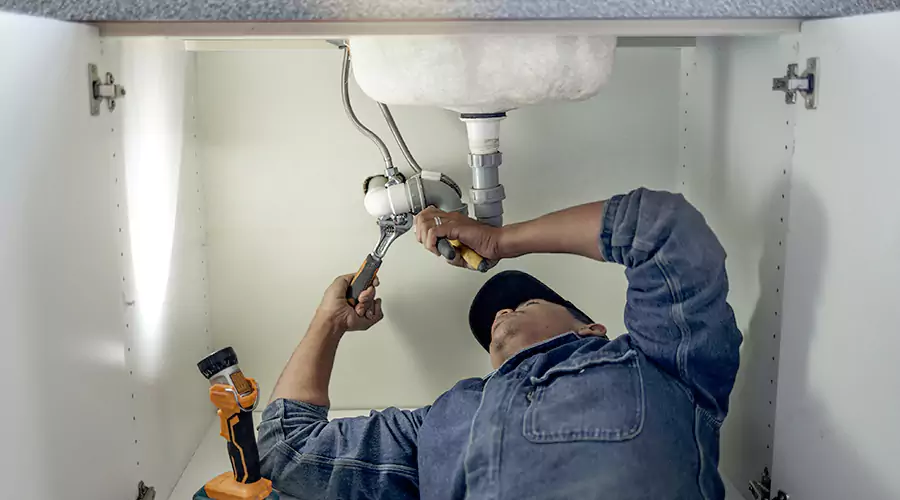
Drain clogs are among the most common plumbing issues in residential homes. While a single clog may be an occasional nuisance, repeated drain clogs often indicate underlying problems in the plumbing system. Ignoring these recurring blockages can lead to water damage, pipe deterioration, and costly repairs. Understanding the root causes is essential for homeowners to maintain healthy drains, protect pipes, and ensure efficient water flow throughout the home.
This guide explores the common causes of repeated drain clogs, warning signs to watch for, and practical steps homeowners can take to prevent future plumbing issues.
Why Repeated Drain Clogs Are a Concern
Frequent clogs do more than slow water flow—they can lead to significant plumbing problems, including:
- Slow drainage: Sinks, tubs, and showers may drain sluggishly, disrupting daily routines.
- Water backup: Overflows from sinks, tubs, or toilets can damage flooring and cabinetry.
- Pipe damage: Copper, PVC, or PEX water pipe installations may corrode, crack, or weaken from persistent clogs.
- Mold and mildew growth: Standing water and moisture from repeated blockages promote harmful mold growth.
- Higher water bills: Inefficient drainage can increase water usage and costs over time.
Addressing the root causes of clogs early prevents these cascading issues and extends the lifespan of plumbing systems.
Common Causes of Repeated Drain Clogs
Understanding why clogs recur helps homeowners take targeted preventive measures:
1. Hair and Soap Scum Accumulation
Hair from showers and sinks binds with soap residue, forming sticky blockages in P-traps and drains. Over time, this buildup can significantly restrict water flow, leading to recurring clogs.
2. Grease and Food Waste in Kitchen Drains
Pouring oil, fat, or food scraps down sinks contributes to hardened grease deposits inside pipes. These deposits narrow the pipe diameter and trap additional debris, resulting in frequent clogs.
3. Mineral Deposits from Hard Water
Hard water leaves behind calcium and magnesium deposits in copper, PVC, or PEX water pipe installations. Mineral buildup gradually narrows pipes, making them more susceptible to blockage.
4. Foreign Objects
Items like dental floss, paper towels, and small toys accidentally flushed or washed down drains can obstruct flow. Even small objects can lead to major drainage issues if not removed promptly.
5. Tree Root Intrusion
Underground sewer and drain lines may be penetrated by tree roots seeking water. Roots create blockages, cracks, and damage, leading to repeated clogs and costly sewer repairs.
6. Aging or Damaged Pipes
Older plumbing systems may sag, corrode, or develop cracks. Irregularities in copper, PVC, or PEX water pipe installations trap debris, making clogs more frequent.
7. Improper Pipe Slope or Installation
Pipes that are not properly angled can result in slow drainage. Incorrect installation increases the likelihood of blockages and backups over time.
Warning Signs of Repeated Drain Clogs
Homeowners should be alert for these signs:
- Slow draining sinks, tubs, or showers
- Frequent toilet backups or overflows
- Gurgling sounds from drains
- Water pooling around fixtures
- Foul odors emanating from drains
Early detection and intervention prevent small issues from escalating into major plumbing emergencies.
Preventive Tips for Homeowners
Preventing recurring drain clogs requires a combination of daily habits and routine maintenance:
1. Avoid Pouring Grease and Food Down Drains
Collect cooking oils, fats, and scraps for proper disposal. Use a sink strainer to catch leftover food particles.
2. Use Drain Screens
Install mesh strainers in bathroom and kitchen drains to prevent hair, soap scum, and small objects from entering pipes.
3. Flush Drains Regularly
Pour hot water down drains weekly or use safe enzyme-based cleaners to break down buildup. Avoid harsh chemical cleaners, which can damage pipes over time.
4. Inspect Your Plumbing System
Schedule professional Drain Maintenance inspections to assess copper, PVC, or PEX water pipe installations. Detect sagging, corrosion, or hidden blockages early.
5. Maintain Sewer Lines
Hire a plumber to periodically clean and inspect underground sewer lines. Remove tree roots if necessary and consider installing root barriers to prevent intrusion.
Why Professional Plumbing Services Are Important
Repeated drain clogs often indicate deeper issues that require expert attention:
- Professionals can detect hidden blockages or damaged pipes that homeowners cannot see.
- They can safely remove persistent clogs caused by tree roots, mineral deposits, or foreign objects.
- They ensure proper installation and slope of water pipe installations to prevent future problems.
- Plumbers provide preventive maintenance plans to minimize recurring drainage issues.
Professional plumbing care ensures efficient drainage, prolongs the lifespan of pipes, and reduces the likelihood of costly emergency repairs.
Conclusion
Repeated drain clogs are more than an inconvenience—they are a warning sign of underlying plumbing problems. Common causes include hair and soap buildup, grease and food waste, mineral deposits, foreign objects, tree roots, aging pipes, and improper installation.
Homeowners can prevent recurring clogs by practicing good drain habits, regularly maintaining pipes and fixtures, and scheduling professional plumbing inspections. Proper care of copper, PVC, or PEX water pipe installations protects your home’s plumbing system, prevents costly repairs, and ensures smooth, efficient water flow throughout the home.
Take proactive steps today to keep your drains clear and protect your home from repeated clogs and plumbing damage.